


TRAININGS
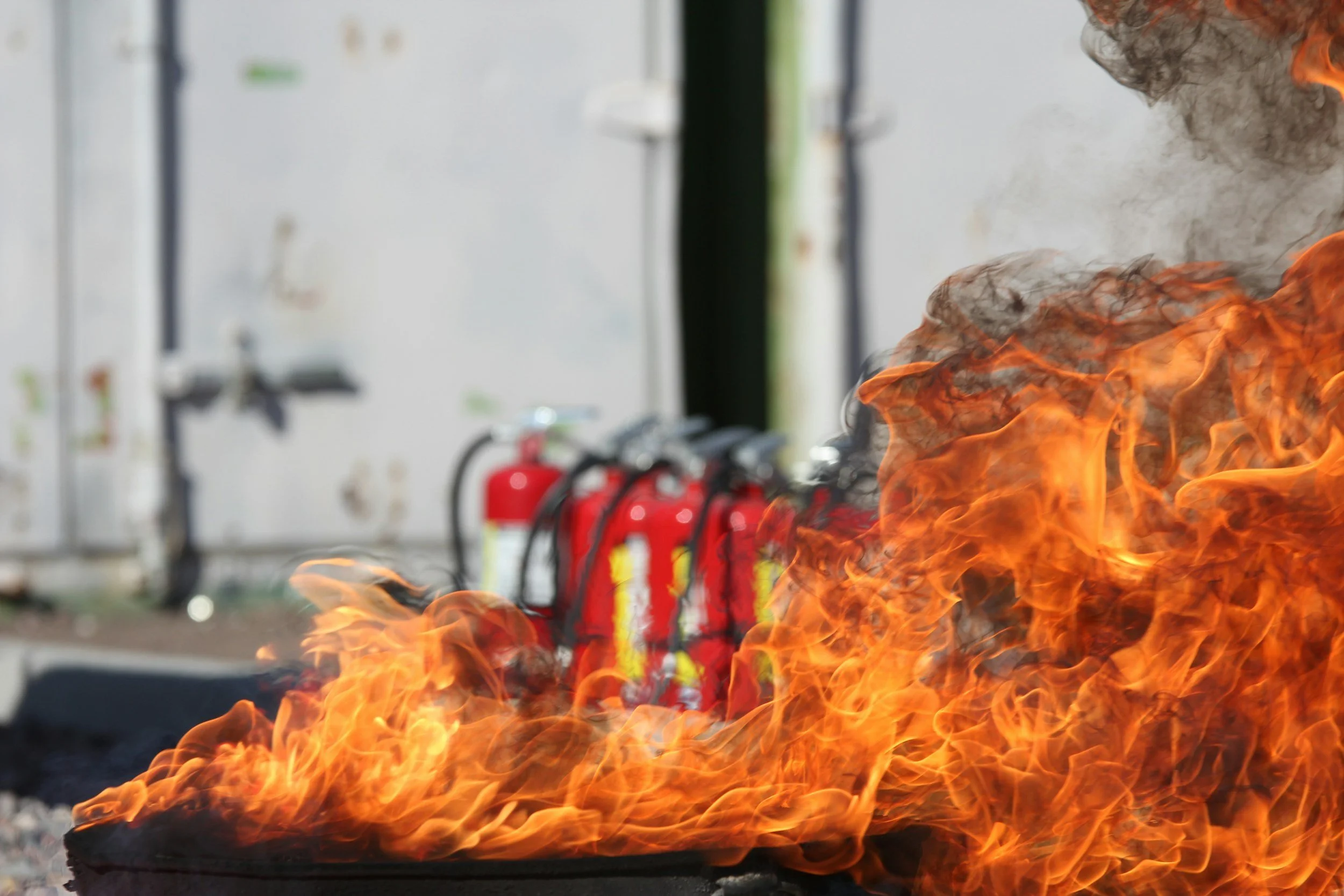
Extinguishers
Fire extinguishers are a first line of defense for small fires and an essential part of home and workplace safety. At Simpsonville Fire and Rescue, we recommend keeping the correct type of extinguisher for the hazards present—Class A for ordinary combustibles, B for flammable liquids, C for energized electrical equipment, and multi-purpose (ABC) for general protection. Mount extinguishers where they’re easily accessible, check pressure gauges monthly, inspect for damage, and replace or service units after any use.
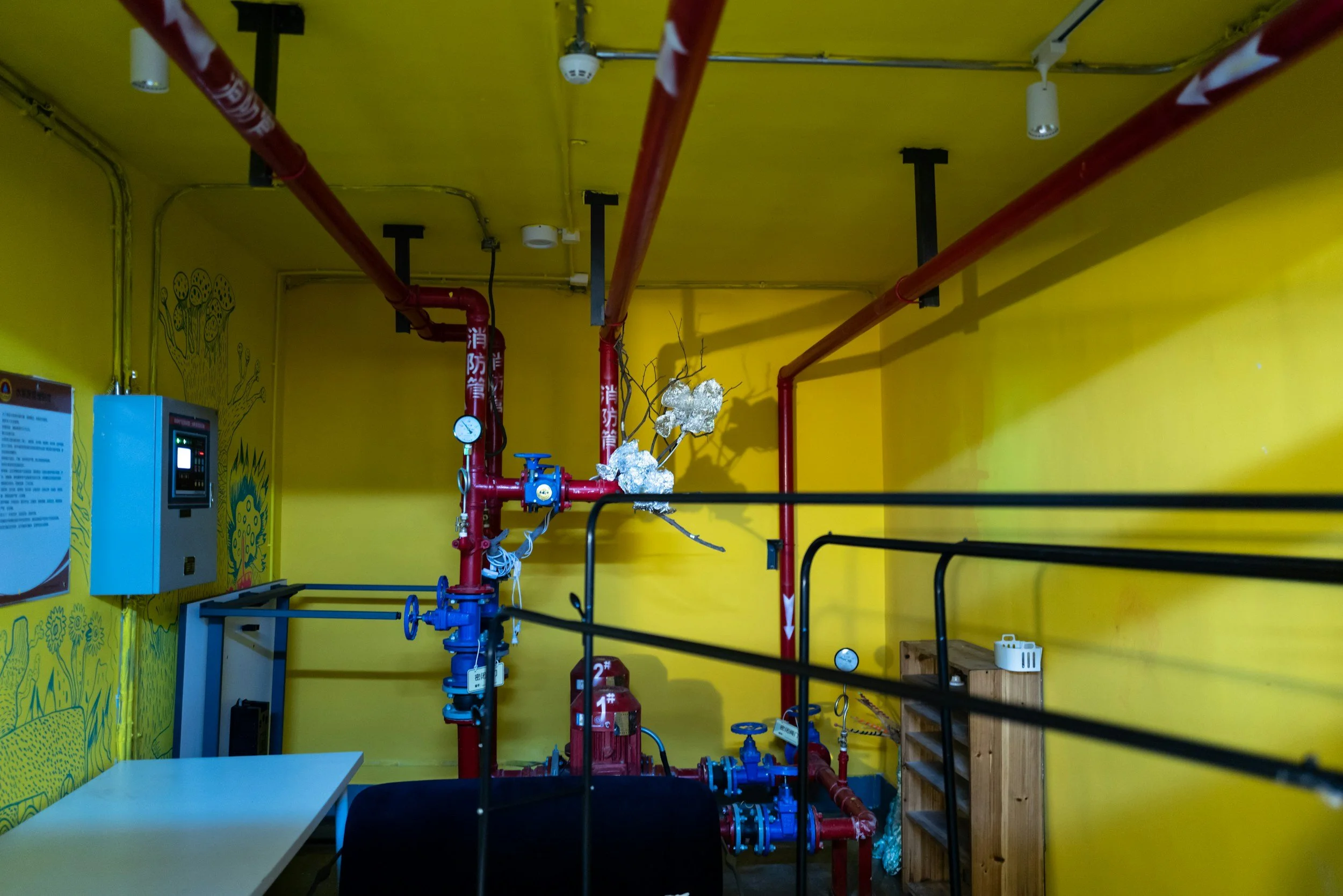
FDC, Sprinklers, Siamese
Automatic fire sprinkler systems are a critical layer of protection for buildings and occupants. Sprinklers detect heat and release water only where needed, quickly controlling or extinguishing fires to reduce flames, smoke, and property damage. The Fire Department Connection (FDC) provides firefighters with a way to supplement a building’s sprinkler system by adding water and increasing system pressure during large fires. Properly installed and maintained sprinklers, clear access to the FDC, and unobstructed signage are essential: keep the FDC visible and accessible, test and inspect sprinkler systems regularly, and replace damaged or painted FDC caps. Together, sprinklers and a functional FDC significantly improve fire suppression effectiveness and firefighter safety.
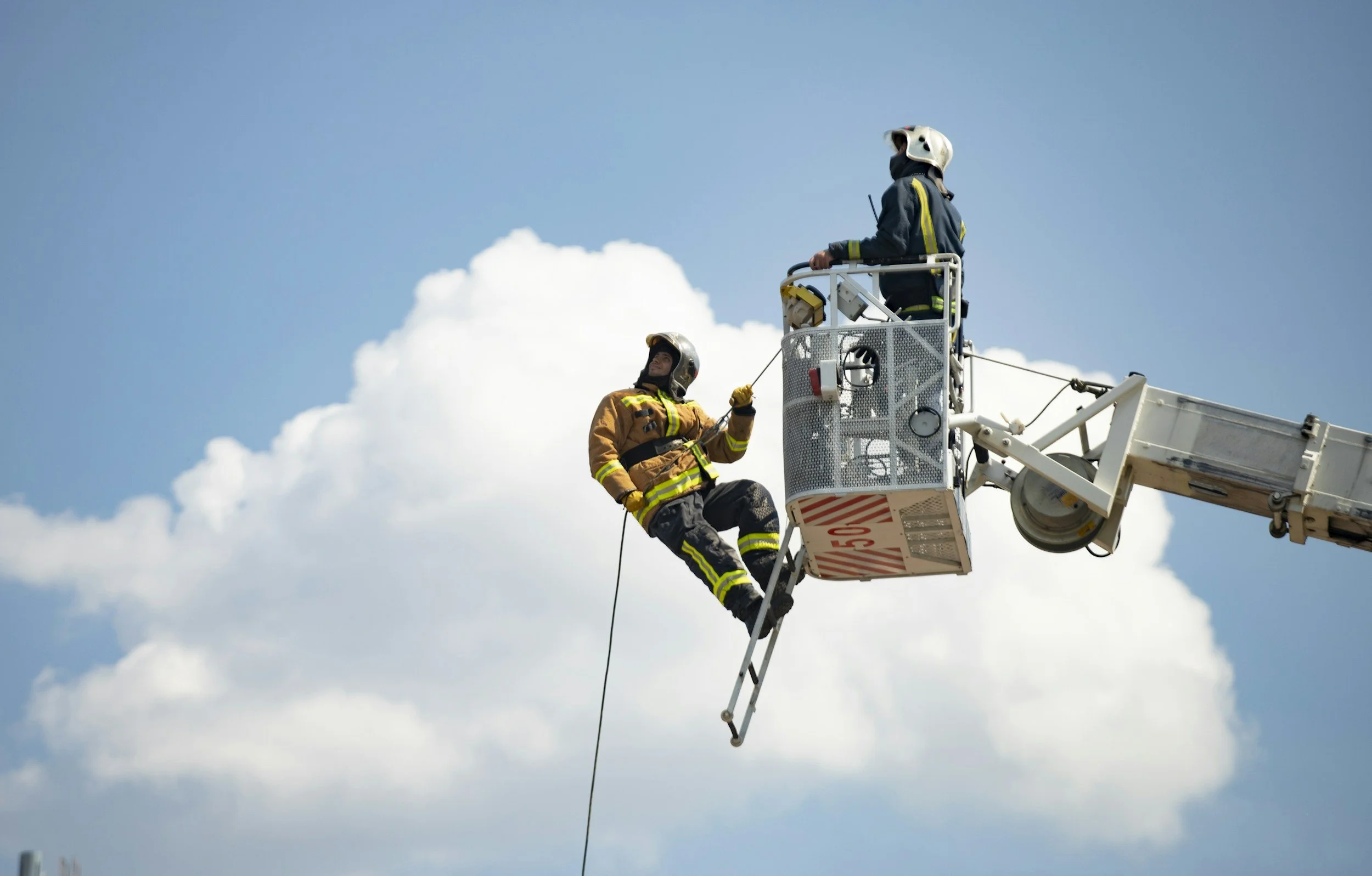
Ropes: 3:1 Systems
Rope rescue teams perform high-angle, confined-space, and swiftwater operations to safely reach and recover people in hard-to-access locations. Using specialized ropes, harnesses, anchors, and rigging systems, trained personnel assess hazards, establish secure belays, and execute controlled hoists, lowers, and traverses. Emphasis is placed on safety, redundant systems, clear communication, and continuous training to ensure rescuers and victims are protected during every phase of an incident.
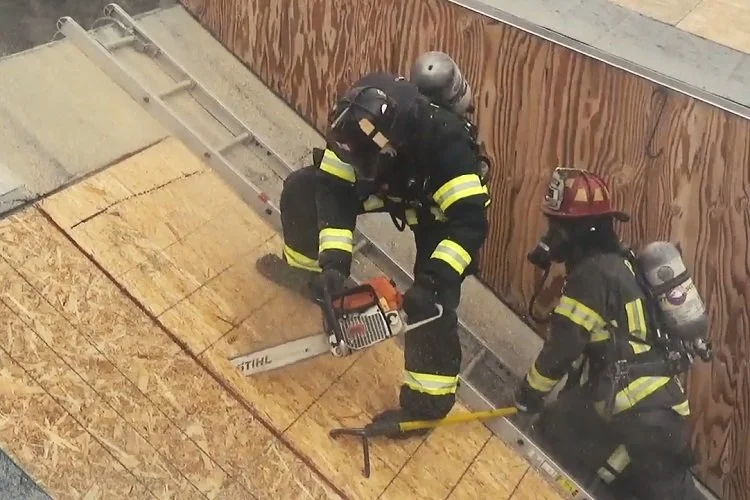
Ventalation
Ventilation is a critical component in firefighting operations, helping to control smoke, heat, and toxic gases within a structure. By strategically opening windows, cutting holes in roofs, or using mechanical fans, firefighters improve visibility and reduce the risk of flashover, making conditions safer for both victims and responders. Proper ventilation also aids in fire suppression by directing the flow of air and heat away from trapped individuals and critical structural elements. Training in ventilation techniques ensures that firefighters can effectively manage fire environments, protect lives, and preserve property.
Ladders
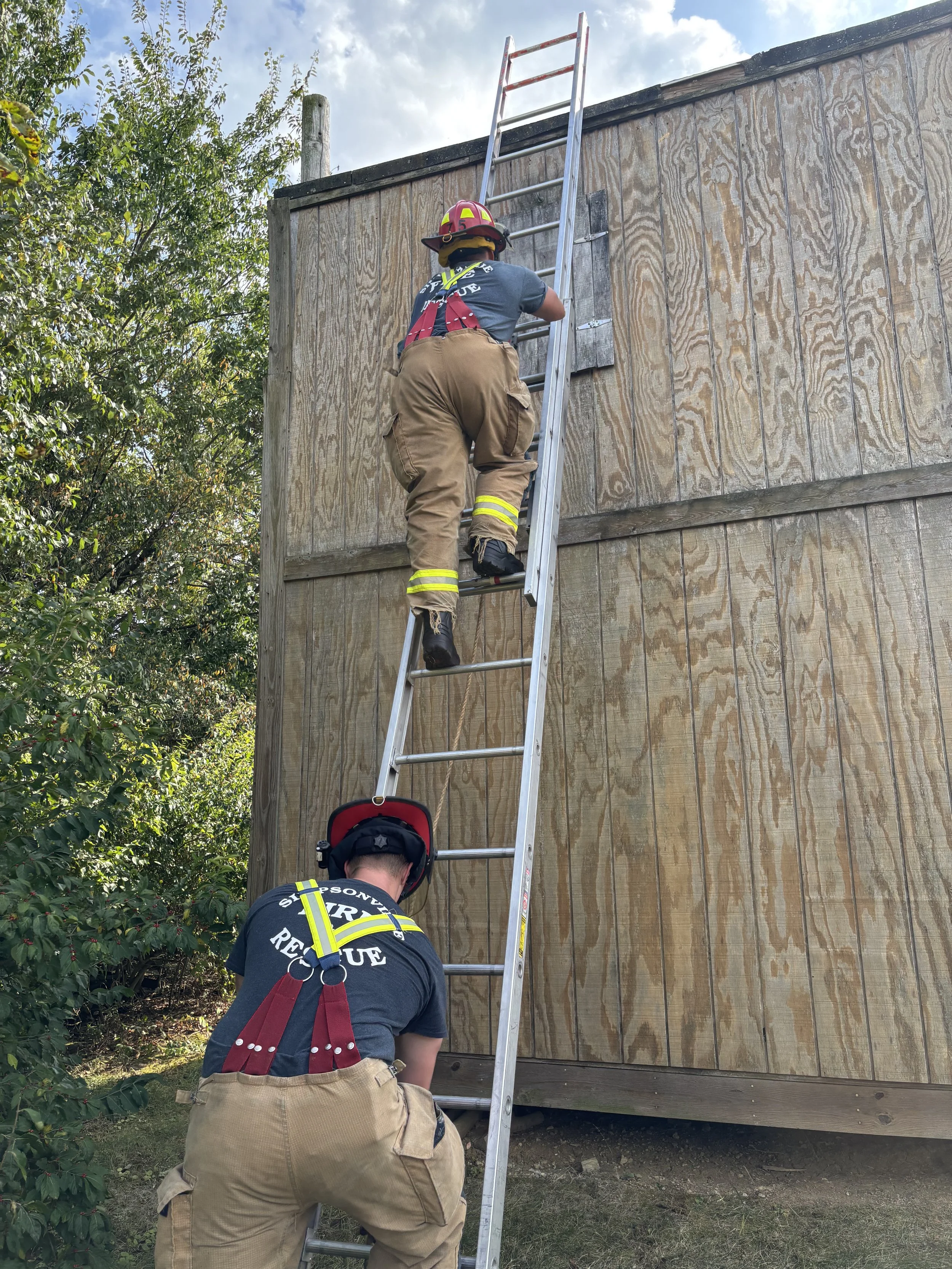
Ladders are essential tools for firefighting and rescue operations, providing safe access to elevated areas and assisting in ventilation and victim rescue. Simpsonville Fire and Rescue uses a variety of ladders, including extension, roof, and attic ladders, each designed for specific tasks. Proper training and maintenance ensure ladders are deployed efficiently and safely during emergencies. For information on ladder training and usage, contact Simpsonville Fire and Rescue at 502-722-5617.

Memorial Day/No training
Memorial Day honors the men and women of our armed forces who made the ultimate sacrifice in service to our country. It is a day of remembrance and gratitude—marked by flags, moments of silence, and visits to cemeteries and memorials—to ensure their courage and commitment are never forgotten. As we gather with family and friends, let us reflect on the freedoms they defended and commit to supporting veterans and their families throughout the year. From all of us at Simpsonville Fire and Rescue, we remember and thank those who gave everything for our nation.

5 Minute drills
A 5-minute drill: arrive, secure, and flow. This drill tests the crew’s ability to pull up to a hydrant, establish a safe water supply, and be ready to operate in under five minutes. On arrival, driver/operator spots and parks for best access; crew deploys hose, charges lines, and connects the pump to the hydrant. Tasks include securing the apparatus, removing the hydrant cap, attaching the proper adapter or splitter, opening the hydrant fully, and checking for proper pressure and flow. Emphasis is on clear roles, efficient communication, equipment readiness, and safety checks. Regular practice sharpens speed and coordination so when every second counts, the team can deliver a reliable water supply quickly and safely.
5 Minute drills
A 5-minute drill: arrive, secure, and flow. This drill tests the crew’s ability to pull up to a hydrant, establish a safe water supply, and be ready to operate in under five minutes. On arrival, driver/operator spots and parks for best access; crew deploys hose, charges lines, and connects the pump to the hydrant. Tasks include securing the apparatus, removing the hydrant cap, attaching the proper adapter or splitter, opening the hydrant fully, and checking for proper pressure and flow. Emphasis is on clear roles, efficient communication, equipment readiness, and safety checks. Regular practice sharpens speed and coordination so when every second counts, the team can deliver a reliable water supply quickly and safely.
5 Minute drills
A 5-minute drill: arrive, secure, and flow. This drill tests the crew’s ability to pull up to a hydrant, establish a safe water supply, and be ready to operate in under five minutes. On arrival, driver/operator spots and parks for best access; crew deploys hose, charges lines, and connects the pump to the hydrant. Tasks include securing the apparatus, removing the hydrant cap, attaching the proper adapter or splitter, opening the hydrant fully, and checking for proper pressure and flow. Emphasis is on clear roles, efficient communication, equipment readiness, and safety checks. Regular practice sharpens speed and coordination so when every second counts, the team can deliver a reliable water supply quickly and safely.

VFIS Cone Course
Driver training is vital for firefighter and community safety. Fire trucks and ladder trucks require skilled drivers for varying road conditions and emergencies. Comprehensive training equips firefighters to respond quickly and effectively, reducing accidents and improving emergency response times. Proper driver training is crucial for successful fire and rescue operations, aiding in the protection of lives and property.
VFIS Road Course
Driver training is vital for firefighter and community safety. Fire trucks and ladder trucks require skilled drivers for varying road conditions and emergencies. Comprehensive training equips firefighters to respond quickly and effectively, reducing accidents and improving emergency response times. Proper driver training is crucial for successful fire and rescue operations, aiding in the protection of lives and property.
Extrication
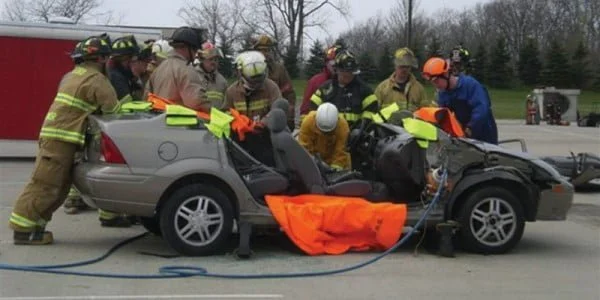
Vehicle extrication is a critical rescue technique used by Simpsonville Fire and Rescue to safely remove individuals trapped in vehicles after accidents. Our trained team employs specialized tools and methods to quickly and efficiently free victims, minimizing injury and ensuring rapid transport to medical care. Continuous training and updated equipment enable us to respond effectively to these emergencies and protect our community. For more information or training schedules, call us at 502-722-5617.
Extrication
Vehicle extrication is a critical rescue technique used by Simpsonville Fire and Rescue to safely remove individuals trapped in vehicles after accidents. Our trained team employs specialized tools and methods to quickly and efficiently free victims, minimizing injury and ensuring rapid transport to medical care. Continuous training and updated equipment enable us to respond effectively to these emergencies and protect our community. For more information or training schedules, call us at 502-722-5617.
Extrication
Vehicle extrication is a critical rescue technique used by Simpsonville Fire and Rescue to safely remove individuals trapped in vehicles after accidents. Our trained team employs specialized tools and methods to quickly and efficiently free victims, minimizing injury and ensuring rapid transport to medical care. Continuous training and updated equipment enable us to respond effectively to these emergencies and protect our community. For more information or training schedules, call us at 502-722-5617.

Strategy and tactics
Effective fireground operations rely on a clear strategy and well-executed tactics. Strategy involves the overall plan to control and extinguish the fire while ensuring firefighter and civilian safety. Tactics refer to the specific actions taken to implement that strategy, such as hose line placement, ventilation, search and rescue, and exposure protection. Successful coordination of strategy and tactics enables efficient incident command, resource allocation, and hazard mitigation, ultimately protecting lives and property.
Cold weather emergencies/ tire chains
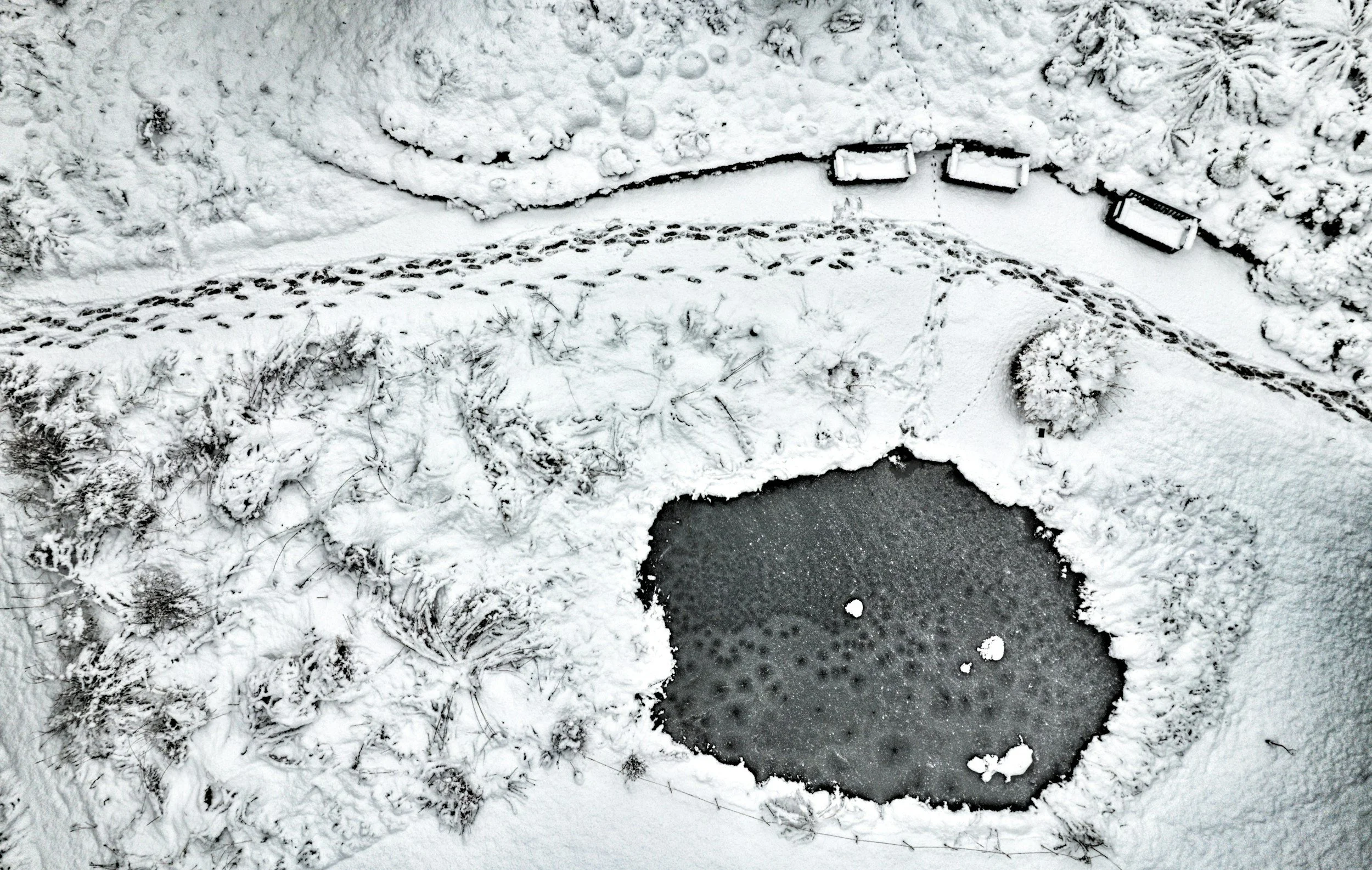
Cold weather emergencies can pose serious risks such as hypothermia, frostbite, and carbon monoxide poisoning. It is crucial to dress in layers, keep dry, and limit time outdoors during extreme cold. Ensure heating devices are used safely and never operate generators or grills indoors. Be prepared by keeping emergency kits in homes and vehicles, and check on vulnerable individuals regularly. For immediate assistance or more information on cold weather safety, contact Simpsonville Fire and Rescue at 502-722-5617.
Fire Investigation
Fire investigation at Simpsonville Fire and Rescue involves determining the origin and cause of fires to ensure community safety and support fire prevention efforts. Our trained investigators use scientific methods and thorough analysis to uncover critical details, helping to prevent future incidents and assist law enforcement when necessary. For more information about fire safety or investigation services, contact us at 502-722-5617.
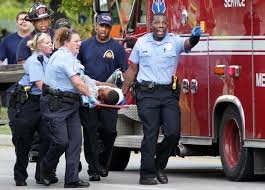
Spinal Immobilization
Spinal immobilization is a critical procedure used to prevent further injury to the spine after trauma. It involves stabilizing the head, neck, and spine using devices such as cervical collars and backboards. Proper immobilization helps protect the spinal cord from damage until the patient can be safely transported to a medical facility for evaluation and treatment. At Simpsonville Fire and Rescue, our team is trained in the latest spinal immobilization techniques to ensure the safety and well-being of those we serve.
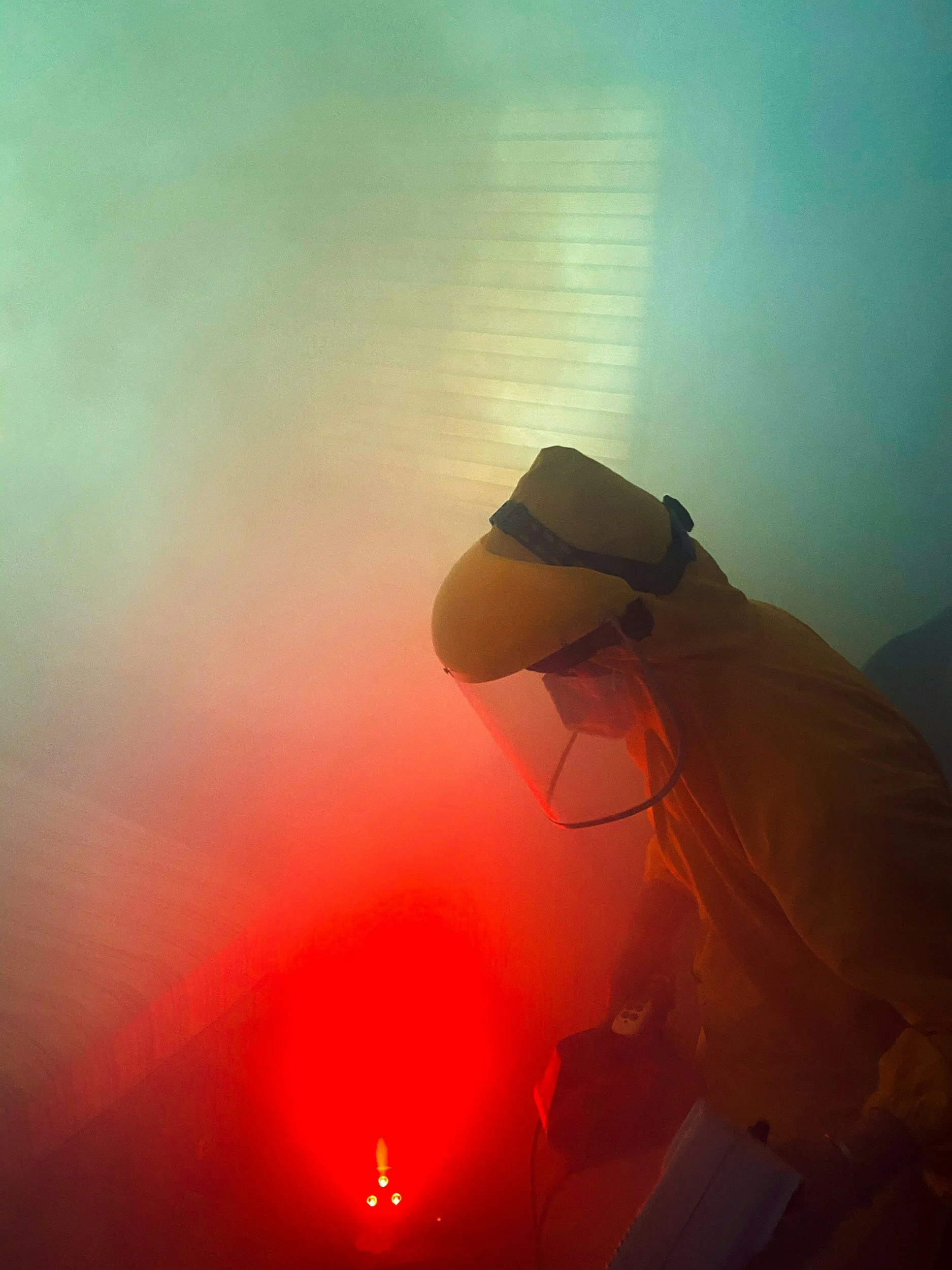
Hazmat
Hazmat, short for hazardous materials, involves the identification, handling, and cleanup of dangerous substances that can pose risks to health, safety, and the environment. Simpsonville Fire and Rescue is trained to respond quickly and effectively to hazmat incidents, ensuring public safety through proper containment and mitigation techniques. For training schedules and volunteer opportunities in hazmat response, contact us at 502-722-5617.

Deploying handlines
Deploying handlines is a critical operation in firefighting, involving the rapid and effective placement of charged hose lines to control and extinguish fires. Proper technique includes selecting the correct hose size, securing the line to prevent kinks, and advancing carefully while maintaining clear communication. Effective handline deployment ensures firefighter safety and maximizes water application directly on the fire, helping to protect lives and property. Training and practice are essential to master these skills in emergency scenarios.

Victim search and rescue
Search and rescue firefighting is a critical operation focused on locating, assisting, and safely removing individuals from hazardous environments, such as burning buildings, collapsed structures, or wilderness areas. Firefighters use specialized training, tools, and teamwork to navigate dangerous conditions, prioritize victim safety, and ensure rapid evacuation. This mission plays a vital role in protecting lives during emergencies and disasters.
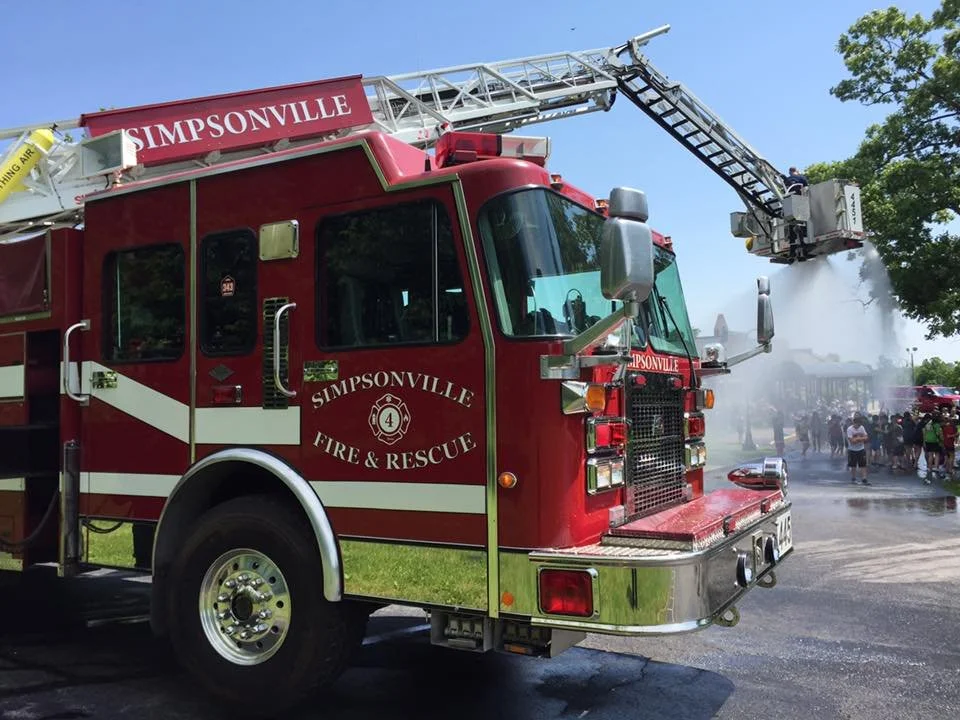
Loading 5” 4451
Hose loading is a fundamental skill in fireground operations, ensuring that fire hoses are packed efficiently for quick deployment. Proper hose loading techniques help reduce deployment time, minimize tangling, and maintain hose integrity during transport and use. At Simpsonville Fire and Rescue, we emphasize thorough training in hose loading to enhance our team’s readiness and effectiveness in emergency situations. For more information on our training schedules, call us at 502-722-5617.

Mobile Water Supply
Mobile Water Supply with a floating pump is an essential resource for firefighting operations in areas lacking reliable hydrant access. The floating pump is designed to operate directly on open water sources, such as lakes or ponds, allowing rapid water drafting to supply engines on scene. This system enhances firefighting capabilities by ensuring a continuous, portable water supply, improving response efficiency and effectiveness in rural or remote locations.
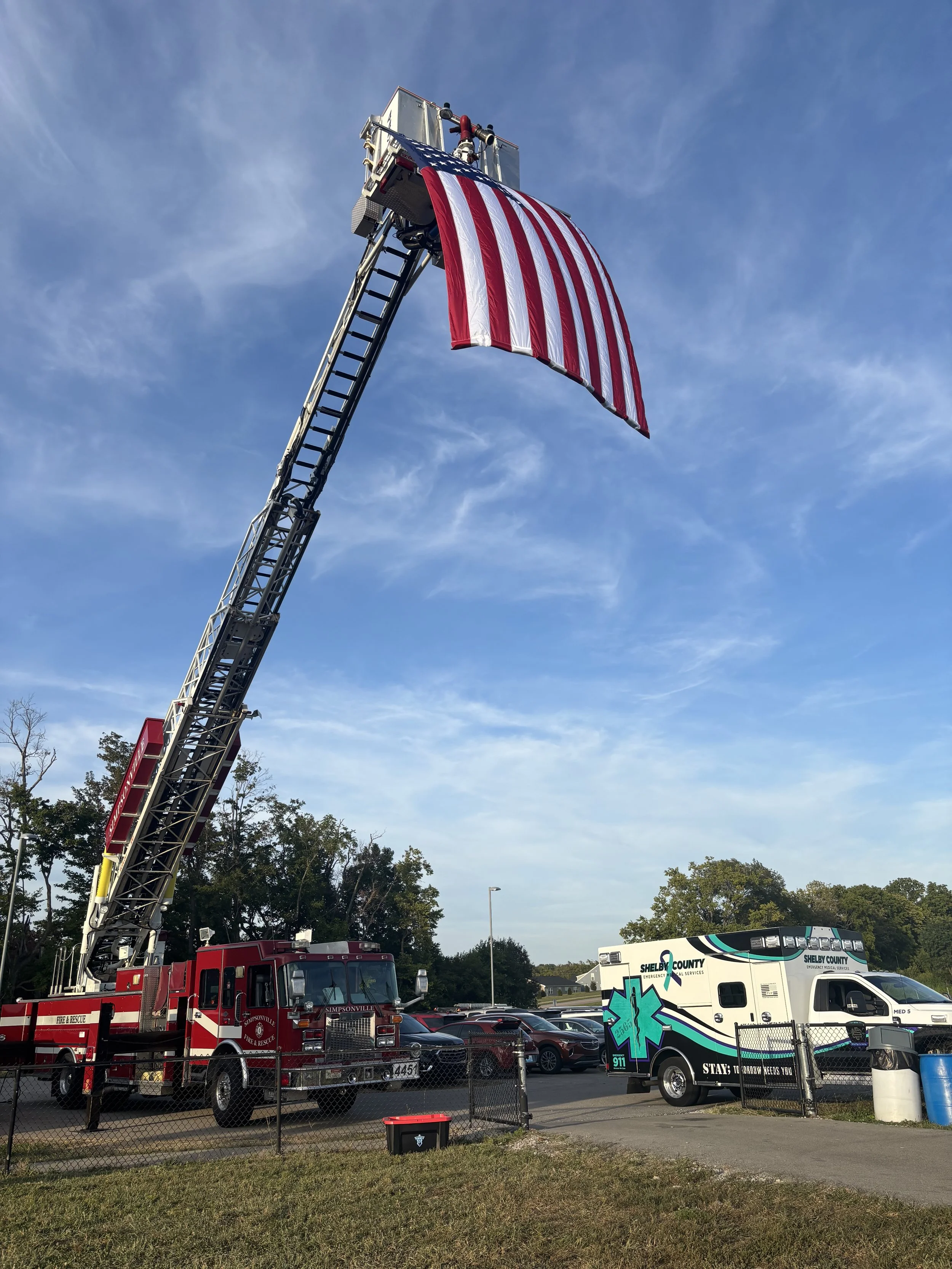
Aerial Operations
Aerial operations are critical for effective firefighting and rescue missions, providing firefighters with elevated access to high-rise buildings, large structures, and difficult-to-reach areas. Utilizing specialized aerial apparatus such as ladder trucks and platform trucks, Simpsonville Fire and Rescue can perform tasks including ventilation, rescue, water application, and reconnaissance from above ground level. These operations require specialized training to ensure safety and efficiency. For information on training schedules and how to get involved, contact us at 502-722-5617.
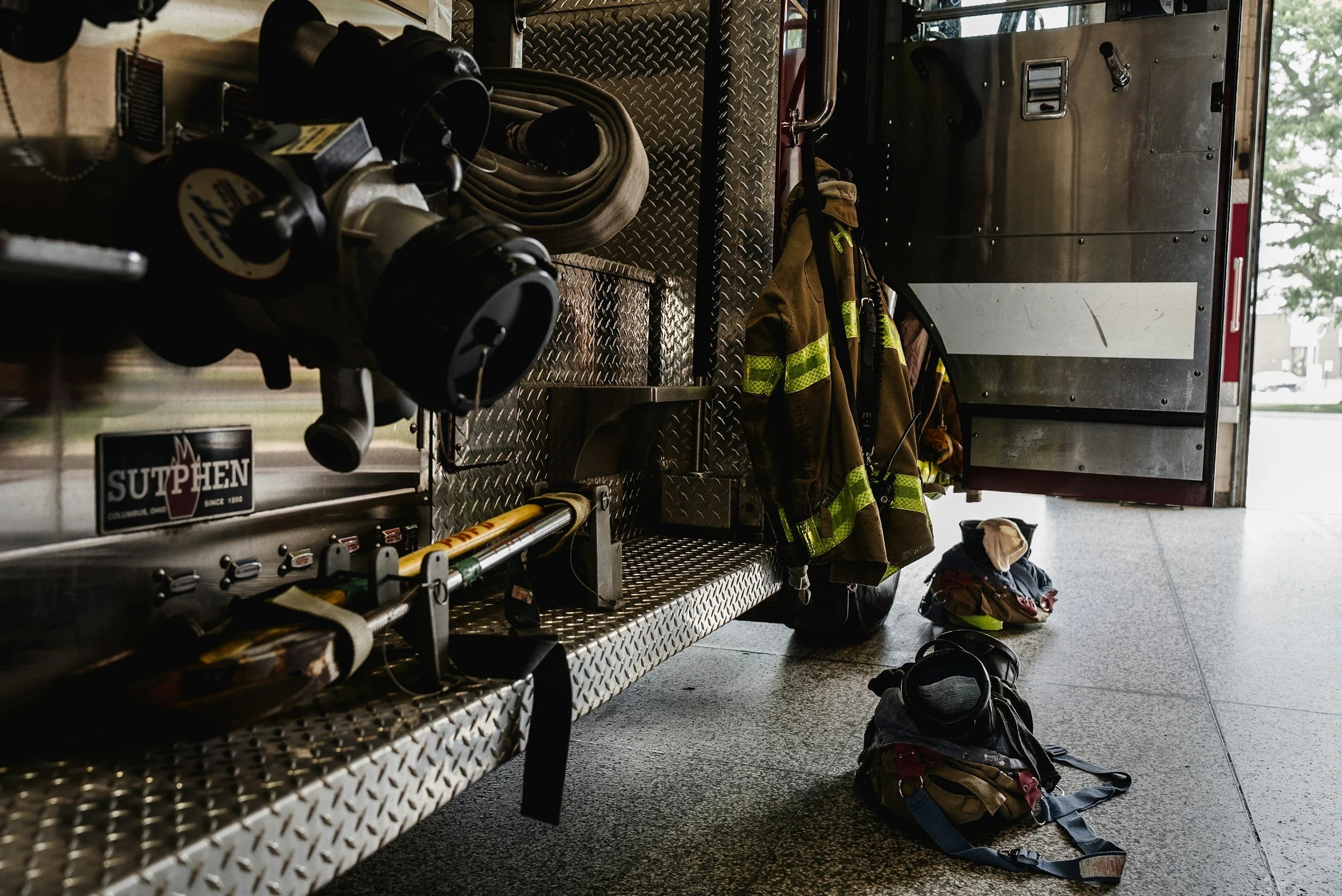
Gear Drills/PPE
Personal Protective Equipment (PPE) and gear drills are essential components of firefighter training at Simpsonville Fire and Rescue. These drills ensure that all personnel are proficient in quickly and correctly donning their gear, maintaining equipment functionality, and understanding safety protocols. Regular practice enhances readiness, reduces response times, and reinforces the importance of PPE in protecting firefighters during emergency operations. Stay prepared—your safety starts with proper gear and training. For more information about PPE training schedules, contact us at 502-722-5617.
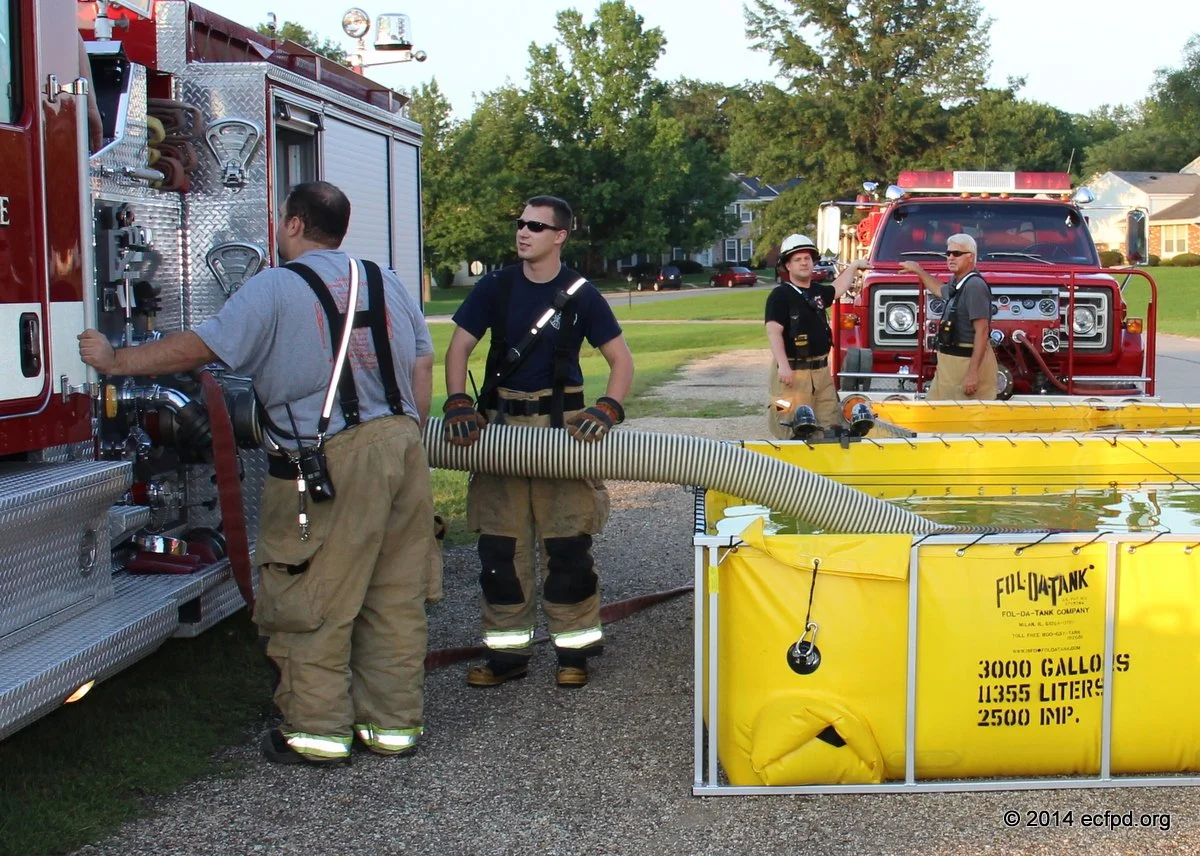
Drafting/Water supply
Ensuring a reliable water supply is critical for effective firefighting operations. Drafting from static water sources, such as ponds, lakes, or portable tanks, provides flexibility when hydrants aren’t available, allowing firefighting teams to maintain continuous water flow. At Simpsonville Fire and Rescue, our training programs focus on mastering drafting techniques, proper hose deployment, and pump operation to optimize water supply efficiency. By developing these skills, volunteers and staff are prepared to respond confidently in any scenario, guaranteeing community safety through swift and sustained firefighting efforts.
Extrication
Vehicle extrication is a critical rescue technique used by Simpsonville Fire and Rescue to safely remove individuals trapped in vehicles after accidents. Our trained team employs specialized tools and methods to quickly and efficiently free victims, minimizing injury and ensuring rapid transport to medical care. Continuous training and updated equipment enable us to respond effectively to these emergencies and protect our community. For more information or training schedules, call us at 502-722-5617.
Extrication
Vehicle extrication is a critical rescue technique used by Simpsonville Fire and Rescue to safely remove individuals trapped in vehicles after accidents. Our trained team employs specialized tools and methods to quickly and efficiently free victims, minimizing injury and ensuring rapid transport to medical care. Continuous training and updated equipment enable us to respond effectively to these emergencies and protect our community. For more information or training schedules, call us at 502-722-5617.
Extrication
Vehicle extrication is a critical rescue technique used by Simpsonville Fire and Rescue to safely remove individuals trapped in vehicles after accidents. Our trained team employs specialized tools and methods to quickly and efficiently free victims, minimizing injury and ensuring rapid transport to medical care. Continuous training and updated equipment enable us to respond effectively to these emergencies and protect our community. For more information or training schedules, call us at 502-722-5617.
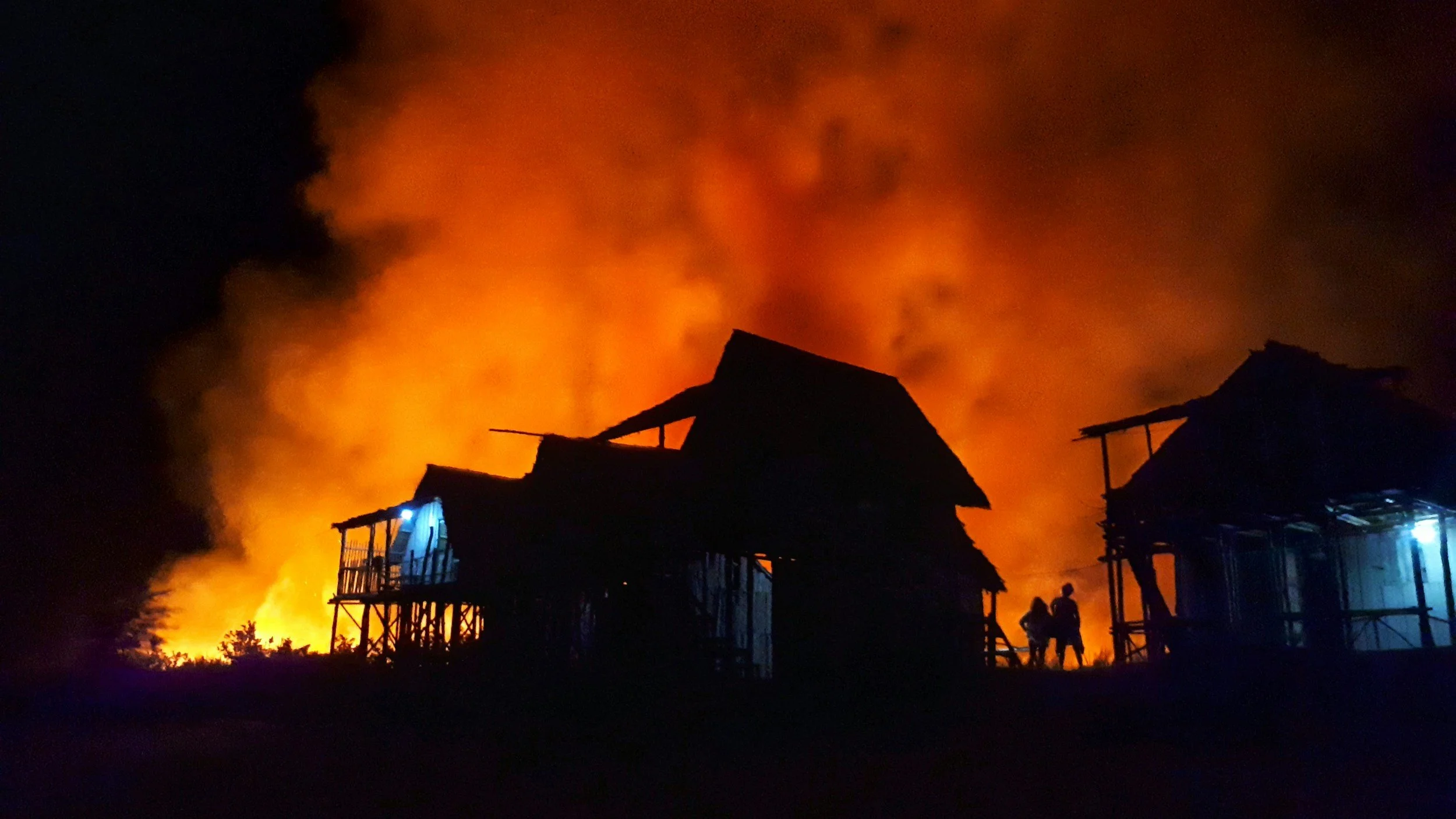
Structural firefighting
Protect lives, property, and your community with expert Structural Firefighting. At Simpsonville Fire and Rescue, we provide comprehensive training designed to equip you with the skills and knowledge needed to tackle fires in residential, commercial, and industrial buildings safely and effectively. Our program focuses on fire behavior, building construction, search and rescue techniques, ventilation, and the use of cutting-edge firefighting equipment.
Join us to become a vital part of a dedicated team committed to making Simpsonville safer. Whether you're a seasoned firefighter or new to the field, our training schedules and volunteer opportunities offer hands-on experience and professional growth. Serve your community with confidence—contact Simpsonville Fire and Rescue at 502-722-5617 to start your journey in structural firefighting today.